KEY HIGHLIGHTS
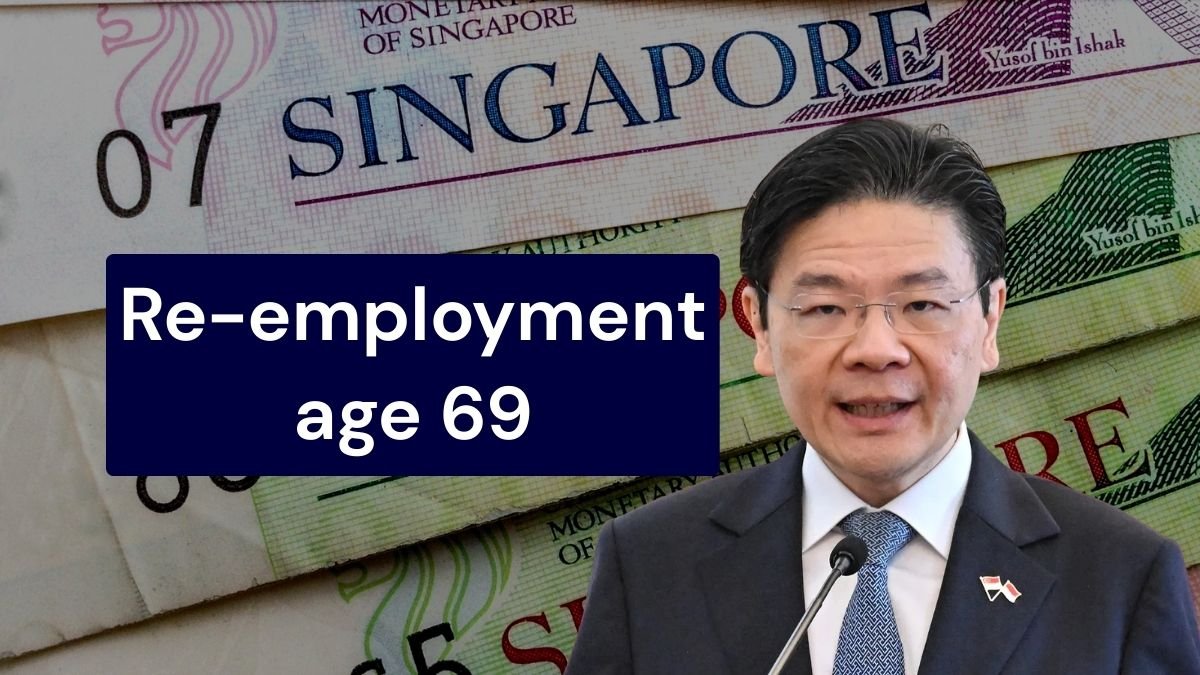
- Singapore will raise the retirement age to 64 and re-employment age to 69 from 1 July 2026.
- The change affects Singapore Citizens and PR employees, with direct impact on CPF contributions and workforce planning.
- Employers must update HR policies early; workers should review CPF, insurance and retirement plans before July 2026.
Singapore will increase the statutory retirement age to 64 and the re-employment age to 69 from 1 July 2026. The move strengthens job protection for older workers while supporting long-term retirement adequacy.
The policy is administered by the Ministry of Manpower (MOM) under the Retirement and Re-employment Act (RRA).
Singapore retirement age 2026
| Item | Current | From 1 July 2026 |
|---|---|---|
| Retirement Age | 63 | 64 |
| Re-employment Age | 68 | 69 |
| Long-Term Target (by 2030) | 64 / 69 | 65 / 70 |
| CPF LIFE Payout Start Age | 65 | No change |
Why Singapore Is Raising the Retirement Age
Singapore faces structural demographic pressures:
- Rapid population ageing
- Longer life expectancy
- Slower workforce growth
According to MOM, gradual increases aim to extend employability while maintaining retirement security through the CPF system.
By 2030, one in four Singapore residents will be aged 65 or older. Workforce participation among mature employees is therefore critical to economic stability.
Retirement Age vs Re-employment Age: What’s the Difference?
Retirement Age – 64 (From July 2026)
This is the minimum age at which an employer can require an employee to retire.
Under the RRA:
- Employers cannot dismiss employees before 64 solely due to age.
- Legal protection applies up to that age.
Re-employment Age – 69 (From July 2026)
Eligible employees must be offered re-employment up to 69 if they:
- Are medically fit
- Have satisfactory performance
- Agree to reasonable contract terms
If re-employment cannot be offered, employers must provide Employment Assistance Payment (EAP) or facilitate transfer arrangements.
Who Is Affected?
The changes apply to:

- Singapore Citizens
- Singapore Permanent Residents
- Employees under contracts governed by Singapore law
Those turning 63 or 68 in 2026 should pay close attention to implementation timelines and employment status.
HR teams should begin workforce planning now to avoid compliance risks.
Impact on CPF Contributions and Retirement Planning
The adjustment does not change CPF payout eligibility age. Under the Central Provident Fund Board framework:
- CPF LIFE payouts typically start at 65
- Deferral is allowed up to 70 for higher monthly payouts
- Retirement Sum requirements are assessed at 55
Financial Implications
Working an additional year can mean:
- Continued CPF contributions
- Higher Retirement Account balances
- More interest compounding (up to 4–6%)
- Potentially larger CPF LIFE payouts
For example, an employee earning S$6,000 monthly at age 63 who works to 64 continues building CPF savings and compounding interest — which can materially improve long-term income security.
Employer Compliance Obligations
This change requires operational and legal preparation.
Immediate Areas to Review
- Employment contracts
- HR handbooks
- Wage structures
- CPF budgeting
- Re-employment frameworks
Non-compliance with the RRA can result in penalties and reputational damage.
Employers that cannot offer re-employment must provide EAP according to MOM guidelines.
Wage and Cost Considerations for Businesses
A common concern is rising manpower costs. However, Singapore balances this through:
- Age-based CPF contribution adjustments
- Government wage support schemes
- Job redesign support via Workforce Singapore
Businesses should conduct cost modelling early rather than wait until 2026.

Strategic Steps for Employees Aged 55–62
If you are in this age group today, this policy directly affects your planning horizon.
1. Review Your CPF Retirement Sum
Check whether you have met:
- Basic Retirement Sum (BRS)
- Full Retirement Sum (FRS)
- Enhanced Retirement Sum (ERS)
An additional working year may help you reach FRS or ERS, increasing lifelong payouts.
2. Reassess Insurance Coverage
A longer working life means reviewing:
- Integrated Shield Plans
- Disability income coverage
- Critical illness protection
You may compare options via the Ministry of Health.
3. Review Investment Strategy
Continued employment allows:
- Higher monthly investment contributions
- Delayed portfolio withdrawals
- Greater long-term compounding
Seek advice only from advisers regulated by the Monetary Authority of Singapore.
Why This Matters
This is not merely an administrative update.
For employees, it strengthens job protection and improves CPF accumulation potential. For employers, it requires forward planning in compliance, wage structures and manpower strategy.
Singapore’s retirement framework is evolving progressively toward 65 (retirement age) and 70 (re-employment age) by 2030. Those who plan early will benefit most.

Avoid last-minute adjustments in 2026. Review employment terms, CPF balances and insurance coverage now.
Frequently Asked Questions
1. Must I work until 64?
No. The retirement age sets the minimum age an employer can require retirement. You may retire earlier subject to contract terms.
2. Can salary be reduced upon re-employment?
Re-employment terms must be reasonable and cannot be discriminatory under Singapore employment law.
3. Does CPF payout age change in 2026?
No. CPF LIFE payouts remain eligible from age 65, with deferral options up to 70.
4. What if my employer refuses re-employment?
If you are eligible and medically fit, the employer must offer re-employment or provide Employment Assistance Payment.
5. Will the age increase again?
Yes. The long-term target is retirement age 65 and re-employment age 70 by 2030.
Conclusion
The increase to retirement age 64 and re-employment age 69 from 1 July 2026 strengthens job security while improving CPF accumulation potential.
Employees should review retirement readiness now. Employers should update policies and cost projections well before implementation.
 Join
Join